10 Things to Know Before Choosing a 1 Year Fashion Design Diploma
Fashion is no longer just about creativity; it demands skill, industry exposure, and the right academic foundation. If you dream of building a career in style and design but don’t want to spend years in a classroom, a 1 year diploma in fashion design offers a fast, focused, and practical path into the industry. At institutes like NIF Vadodara, students gain hands-on training in pattern making, garment construction, textile knowledge, and design thinking within a compact timeframe, preparing them to enter the workforce quickly and confidently.
Before you enroll, though, it helps to understand what such a program actually involves. Here are the key points you should know.
Key Takeaways
- A 1 year diploma in fashion design suits students who want quick, skill-based entry into the fashion industry.
- Eligibility usually requires completion of Class 12 in any stream.
- Fees vary widely depending on the institute’s reputation, facilities, and location.
- The curriculum blends design theory with hands-on studio practice.
- Choosing the right institute matters more than choosing the longest course.
- Career opportunities include styling, merchandising, design assistance, and entrepreneurship.
1. Understand What a 1 Year Diploma in Fashion Design Actually Covers
A 1 year diploma in fashion design is structured to give students core design skills without the extended commitment of a three- or four-year degree. Courses typically cover garment construction, draping, illustration, textile science, and basic pattern cutting. Students work on real projects, build a portfolio, and often complete a mini collection by the end of the program. This format works well for people who already have a related educational background or who want to test their interest in fashion before committing to a longer degree.
2. Check the Fashion Design Diploma Eligibility Criteria
Every institute sets its own admission requirements, so checking the fashion design diploma eligibility criteria is a necessary first step. Most programs ask for a minimum of Class 12 passed from a recognized board, regardless of the stream studied. Some institutes conduct an aptitude test, a sketching round, or a personal interview to judge a candidate’s creative potential. Confirming these requirements early avoids last-minute surprises during the admission process.
3. Compare the 1 Year Fashion Designing Course Curriculum Across Institutes
Not all short-term programs teach the same modules. When comparing a 1 year fashion designing course at different institutes, look closely at the subjects included — garment technology, fashion illustration, textile studies, computer-aided design, and trend forecasting are common building blocks. A well-rounded curriculum gives students exposure to both the creative and technical sides of fashion, making them more employable after graduation.
4. Factor In the Fashion Design Diploma Fees
Budget plays a major role in choosing an institute. Fashion design diploma fees can range from moderate to premium depending on infrastructure, faculty experience, and brand reputation. Before enrolling, ask for a detailed fee breakdown that includes tuition, material costs, and any additional charges for workshops or study tours. Comparing fee structures across a few shortlisted institutes helps you find a program that fits your budget without compromising on quality.
5. Explore Options for Fashion Designing Course After 12th
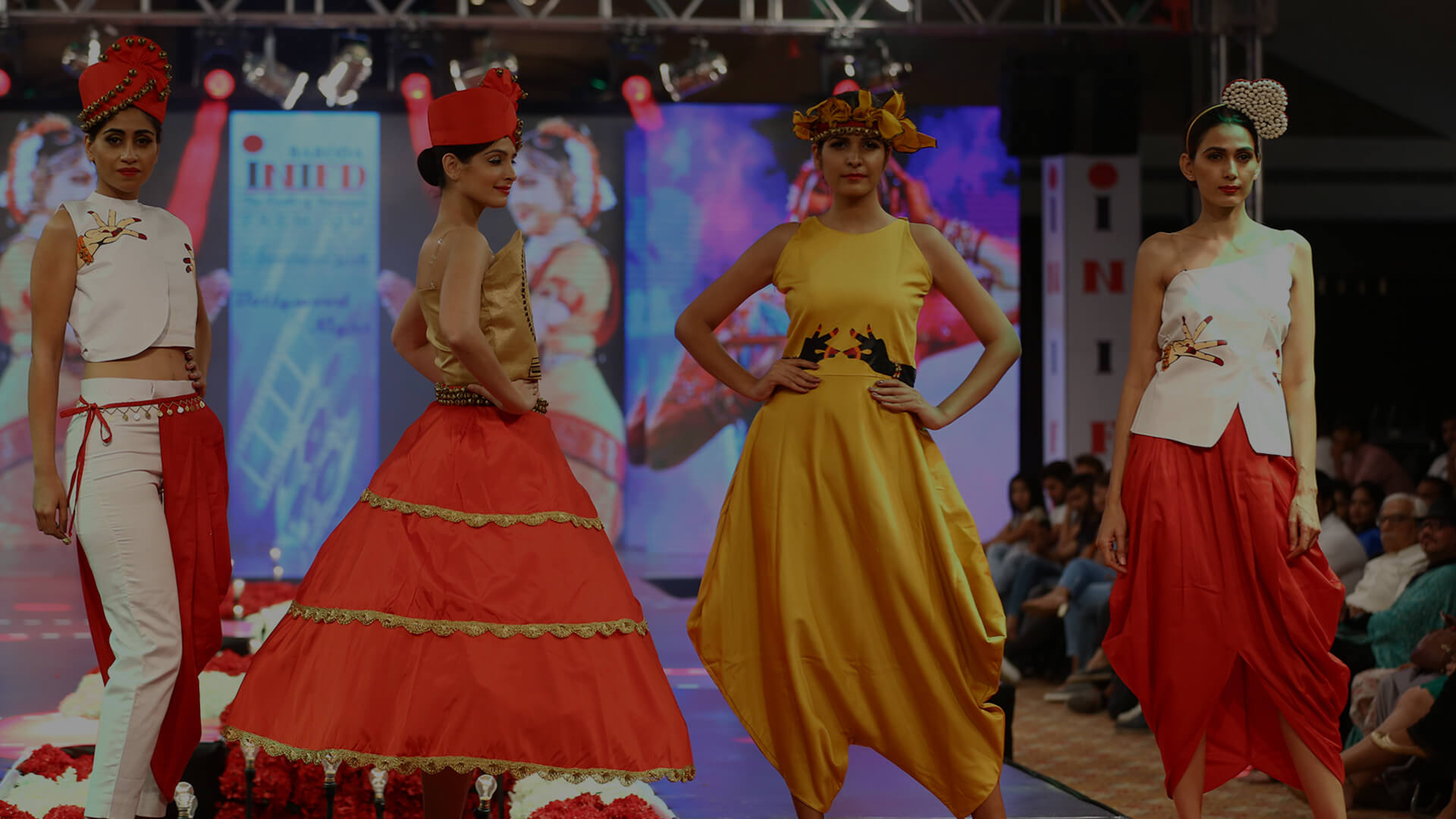
Many students look for a fashion designing course after 12th as a direct entry point into the creative industry, skipping a traditional undergraduate degree. A one-year format is particularly attractive here because it allows younger students to gain a professional qualification and start working sooner, while still leaving the door open for further specialization later through advanced diplomas or degree programs.
]
6. Learn How to Choose a Fashion Design Institute
Knowing how to choose a fashion design institute involves more than checking rankings. Visit the campus if possible, speak with current students or alumni, and review the placement record. Look at the faculty’s industry background, the quality of studio equipment, and whether the institute maintains active ties with fashion brands or manufacturers. A strong industry network often translates into better internship and job opportunities.
7. Review the Fashion Design Institute Admission Process
The fashion design institute admission process typically includes an application form, submission of academic records, and sometimes a portfolio or entrance test. Institutes like NIF Vadodara guide applicants through each stage, from documentation to counseling, making the admission journey straightforward for first-time applicants. Understanding the timeline in advance helps you avoid missing application deadlines.
8. Recognize the Benefits of a 1 Year Fashion Design Diploma
There are several clear benefits of a 1 year fashion design diploma. It saves time compared to multi-year degrees, reduces overall education costs, and gets graduates into the job market faster. It also works well for career switchers who already hold a degree in another field but want to pivot into fashion without starting from scratch. The compact format keeps students focused and motivated throughout the course.
9. Ask About Practical Exposure and Industry Projects
Classroom learning alone rarely prepares students for real industry demands. Ask institutes whether their 1 year diploma in fashion design includes internships, live projects, or collaborations with designers and brands. Practical exposure builds confidence, sharpens technical skills, and often leads to job offers even before the course ends.
10. Map Out Career Paths After the Diploma
Graduates of a one-year program can pursue roles such as fashion stylist, boutique manager, visual merchandiser, design assistant, or freelance designer. Some students use the diploma as a stepping stone toward starting their own label, while others move into retail buying or textile production. Mapping out your preferred career path before enrolling helps you choose electives and projects that align with your goals.
Choosing the right program shapes the next stage of your career, so take time to research thoroughly, compare institutes, and speak with admission counselors before making a decision. If you’re ready to take the next step, reach out to NIF Vadodara to learn more about their 1 year diploma in fashion design, request a prospectus, or schedule a campus visit to see the studios and faculty firsthand.
FAQs
Q1. Who can apply for a 1 year diploma in fashion design?
Students who have completed Class 12 in any stream are generally eligible to apply, though some institutes may require a sketching test or interview.
Q2. Is a 1 year fashion designing course enough to start a career?
Yes, it equips students with foundational design and technical skills suitable for entry-level roles, freelancing, or further specialization.
Q3. How much do fashion design diploma fees typically cost?
Fees vary by institute and facilities, so it’s best to request a detailed breakdown directly from shortlisted institutes.
Q4. What jobs can I get after this diploma?
Common roles include fashion stylist, design assistant, visual merchandiser, and boutique manager.
Q5. Can I pursue further studies after a 1 year diploma?
Yes, many graduates go on to pursue advanced diplomas or degree programs to specialize further in fashion design.