How to Build a Successful Career After a Fashion Design Course
Fashion design opens doors to creativity, business, and self-expression all at once. Many students complete their studies but feel unsure about the next step. Building a strong career after graduation requires more than talent — it demands strategy, networking, and continuous skill-building. This guide walks you through the practical steps that turn a design education into a thriving profession.
Key Takeaways
- A structured fashion design course lays the foundation for every career path in the industry.
- Internships and hands-on projects build the real-world experience employers look for.
- Networking, portfolio-building, and personal branding accelerate career growth.
- Vadodara offers growing opportunities for fashion graduates through local boutiques, studios, and emerging brands.
- Continuous learning keeps designers relevant as trends and technology evolve.
Choosing the right fashion design course in Vadodara sets the tone for everything that follows. A well-structured program teaches pattern-making, draping, textile science, garment construction, and design software, giving students a rounded skill set instead of narrow specialization. Institutes that combine classroom learning with live projects prepare graduates who can walk into a studio or workshop and contribute from day one. Vadodara’s growing fashion and retail scene means local graduates often find opportunities close to home, reducing the pressure to relocate immediately after finishing their studies.
Build a Portfolio That Tells a Story
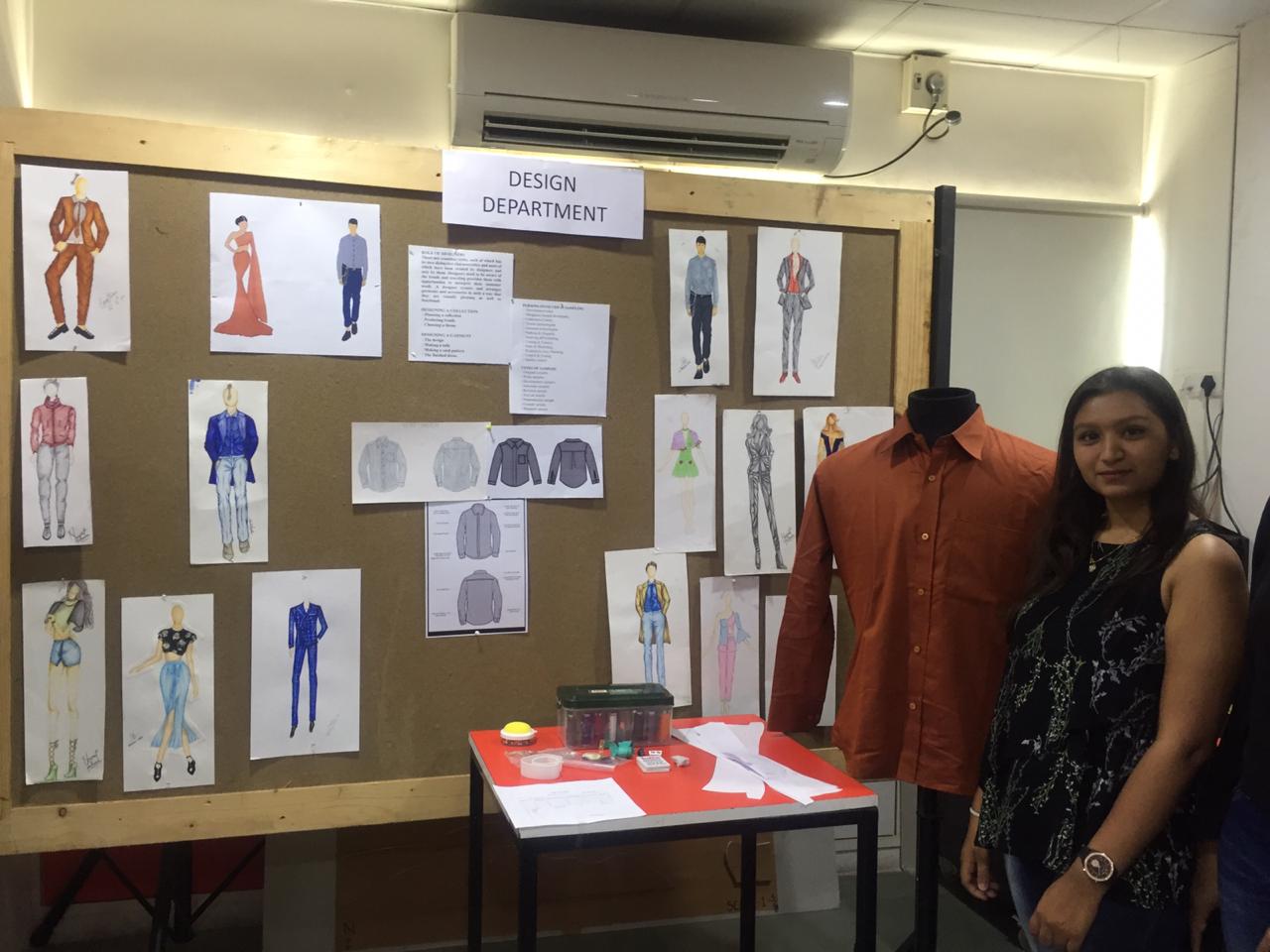
A portfolio is the single most important tool for anyone exploring career after fashion design course completion. Employers and clients want to see range — sketches, finished garments, mood boards, and process shots that show how an idea moved from concept to creation. Students should treat every college project as a portfolio piece, photographing work professionally and organizing it by theme or collection. A digital portfolio, updated regularly, makes it easy to share work with recruiters, brands, or potential collaborators without delay.
Gain Experience Through Internships
Classroom knowledge only becomes valuable once it meets real production environments. Internships expose students to deadlines, client expectations, and the pace of actual fashion houses or manufacturing units. Many graduates discover their preferred niche womenswear, menswear, bridal, sustainable fashion, or accessories only after working alongside experienced designers. Seeking internships during and immediately after the course multiplies fashion design career opportunities, since many studios hire directly from their intern pool once positions open.
Explore Multiple Career Options After Fashion Designing
Fashion education supports far more than one job title. Graduates who ask themselves about career options after fashion designing often discover paths including:
- Fashion designer for a label or private clients
- Costume designer for film, television, or theatre
- Textile or print designer
- Fashion stylist or personal shopper
- Visual merchandiser for retail brands
- Fashion illustrator or trend forecaster
- Entrepreneur running an independent label
Each path draws on different strengths learned during training, so identifying personal interests early helps graduates target the right opportunities instead of applying broadly without direction.
Strengthen Skills Beyond Design
Technical drawing and stitching only cover part of what the industry demands. When people ask, “What skills are needed to become a fashion designer?”, the answer includes communication, time management, basic business knowledge, and comfort with digital tools like Adobe Illustrator or CLO 3D. Understanding fabric sourcing, costing, and production timelines gives designers an edge when working with manufacturers or managing their own label. Soft skills matter equally — client presentations, vendor negotiations, and team coordination all shape how far a designer’s career advances.
Take Advantage of Local Fashion Design Training
Enrolling in fashion design training in Vadodara connects students with regional textile traditions, local manufacturing units, and a growing base of boutique labels. Vadodara’s blend of traditional craft and modern retail creates space for designers who can merge both influences. Local training programs often include visits to garment units, exposure to Gujarat’s textile heritage, and networking events with regional designers — advantages that are harder to access from a distance.
Understand the Benefits of Structured Education
Some aspiring designers wonder whether formal training is necessary at all. The fashion design course benefits become clear once compared against self-taught paths — structured mentorship, access to industry-standard equipment, peer feedback, and recognized certification all shorten the learning curve significantly. A diploma or degree also builds credibility with employers and clients who prefer verified training over informal experience alone.
Is Fashion Designing a Good Career Option?
For those willing to combine creativity with discipline, yes. The industry rewards persistence, adaptability, and a willingness to keep learning as trends shift. Income and opportunity vary by specialization and location, but designers who build strong portfolios, maintain professional networks, and stay current with technology tend to find consistent work, whether through employment, freelancing, or running an independent brand.
Network Actively Within the Industry
Fashion runs on relationships. Attending fashion weeks, trade shows, and local exhibitions connects graduates with manufacturers, stylists, and fellow designers. Social media, particularly Instagram and Pinterest, has become a genuine career tool — many designers land clients or collaborations directly through consistent, well-curated posting. Reaching out to alumni from the same institute often opens doors too, since shared training backgrounds build instant rapport.
Keep Learning After Graduation
Fashion never stands still. Sustainable materials, digital fashion, and AI-assisted design tools are reshaping the industry every year. Designers who attend workshops, follow industry publications, and experiment with new techniques stay ahead of graduates who stop learning the moment they receive their certificate. Short courses in areas like sustainable textiles or 3D garment design add valuable specialization to an existing skill set.
If you’re weighing your next step after school or already searching for the right program to start this journey, NIF Vadodara offers structured training that blends design fundamentals with real industry exposure. Reach out to the admissions team, ask about upcoming batches, and see how the curriculum lines up with the career path you have in mind — a short conversation now could shape years of work ahead.
At NIF Vadodara, students gain access to experienced faculty, industry projects, and a community of designers building their careers in real time, making the transition from classroom to profession considerably smoother.
Frequently Asked Questions
Q1: How long does it take to build a stable career after a fashion design course?
Most graduates need one to three years of internships, freelance work, or entry-level positions before reaching a stable, well-paying role, depending on specialization and networking effort.
Q2: Do I need to know how to sew to become a fashion designer?
Basic garment construction knowledge helps significantly, even if the final role focuses more on design direction than hands-on stitching.
Q3: Can I start my own fashion label right after graduating?
Yes, though most successful entrepreneurs first gain industry experience through internships or short-term jobs to understand production, costing, and client management before launching independently.
Q4: Is a diploma enough, or should I pursue a full degree in fashion design?
Both paths lead to careers; diplomas suit faster entry into the workforce, while degrees offer deeper theoretical grounding and may open doors to higher-level design or management roles.
Q5: What is the average starting salary for a fashion design graduate?
Starting salaries vary widely by city, employer, and specialization, but entry-level roles in design studios or retail brands typically offer competitive packages that grow with experience and portfolio strength.