A Beginner’s Guide to Choosing a Fashion Design Institute
Choosing a fashion design institute shapes the next several years of your creative life. Students weigh curriculum, faculty, industry exposure, and location before they commit to a program, and the process often feels overwhelming when every institute claims to offer the best experience. NIF Global Vadodara guides aspiring designers through this decision every year, and this guide breaks down the practical factors that actually matter when you shortlist a fashion design institute.
Key Takeaways
- Match the curriculum to your career goals, whether that’s apparel design, textile design, or fashion styling.
- Check faculty experience, industry tie-ups, and placement records before enrolling.
- Compare fees against the value of infrastructure, mentorship, and internship access.
- Look at the location’s fashion ecosystem, since a city with an active design industry gives you more real-world exposure.
- Read reviews and talk to alumni to verify the institute’s claims.
Students researching a fashion design institute in Vadodara quickly notice that not every program offers the same depth of training. Some institutes focus purely on theory, while others build hands-on studio work, portfolio development, and industry internships into every semester. Knowing what separates a strong program from an average one saves you time, money, and years of frustration.
Define Your Career Direction First
Fashion design covers many specializations, and each one demands a different skill set. Apparel design focuses on garment construction and pattern-making. Textile design centers on fabric, print, and surface development. Fashion styling and merchandising lean toward trend forecasting, retail strategy, and visual presentation. Before you shortlist any school, write down which of these paths excites you the most, since this decision determines which fashion designing career options actually fit your strengths.
If you’re unsure, look for institutes that offer foundation courses covering multiple disciplines in the first year. This structure lets you explore different specializations before committing to a major, and it prevents you from locking into the wrong track too early.
Evaluate the Curriculum and Industry Relevance
A strong curriculum blends design theory with practical execution. Look for programs that include:
- Sketching, draping, and garment construction workshops
- Software training in tools like Adobe Illustrator and CLO 3D
- Sustainable and ethical fashion modules
- Live projects with real brands or design houses
- Portfolio-building assignments throughout the course, not just in the final year
Institutes that update their syllabus regularly tend to produce graduates who adapt faster to industry demands. Ask admissions counselors how often the curriculum changes and whether it reflects current market trends like sustainable fashion, digital design, or direct-to-consumer retail models.
Check Faculty Credentials and Mentorship Quality
Faculty members shape your growth far more than textbooks do. Research whether instructors have worked in the fashion industry, exhibited their own collections, or collaborated with recognized labels. Institutes that bring in guest lecturers from the fashion business, host portfolio reviews with practicing designers, and maintain small batch sizes typically offer richer mentorship than large, lecture-heavy programs.
Reach out to current students or alumni directly. Ask them how accessible faculty members are outside class hours and whether they received individual feedback on their design work. This kind of insight rarely appears on a prospectus.
Compare Fees Against What You Actually Get
Fashion designing institute fees vary widely depending on infrastructure, brand reputation, and course duration. A higher fee doesn’t always guarantee better training, and a lower fee doesn’t always mean a weaker program. Break down what the fee structure covers:
- Studio access, sewing machines, and design labs
- Study material, software licenses, and fabric costs
- Internship placement support
- Industry visits, exhibitions, and guest workshops
Request a detailed fee breakdown from every institute you shortlist, and compare it against the facilities and support each one provides. This approach helps you judge value rather than just cost.
Look at Placement Records and Industry Connections
A fashion design training institute earns its reputation through where its graduates end up working. Ask for placement statistics from the past three years, including the names of companies that hired graduates and the roles they landed. Institutes with strong ties to design houses, retail brands, and export companies open doors that self-study or unaccredited programs simply can’t match.
Also check whether the institute organizes internships during the course rather than only after graduation. Early internship exposure builds confidence and gives students a realistic picture of studio work, production timelines, and client expectations.
Consider the City’s Fashion Ecosystem
Location plays a bigger role than most students expect. A city with active fashion weeks, boutique studios, textile clusters, or retail hubs gives students more opportunities for internships, freelance projects, and networking. Gujarat’s textile heritage and Vadodara’s growing creative economy make the region a practical base for design education, which is why many students specifically search for a fashion design institute in Vadodara when planning their studies.
Read Reviews and Verify Claims Independently
Institute websites naturally highlight their strengths, so cross-check every claim with independent sources. Read Google reviews, browse student portfolios on social media, and join fashion student forums to hear unfiltered opinions. Pay attention to recurring complaints or praise, since patterns across multiple reviews tell you more than a single glowing or negative testimonial.
Understand Career Opportunities After Graduation
Career opportunities after a fashion designing course in Vadodara extend well beyond working as a designer at a label. Graduates move into fashion styling, textile development, visual merchandising, costume design, retail buying, and even entrepreneurship through their own labels. Ask your shortlisted institutes how they prepare students for this range of roles, and whether they offer guidance on freelancing or starting an independent brand.
Ask the Right Questions Before You Enroll
When you sit down for a counseling session, ask direct questions:
- What percentage of graduates find design-related jobs within six months?
- Does the institute host portfolio reviews with industry professionals?
- Are internships mandatory, and does the institute help arrange them?
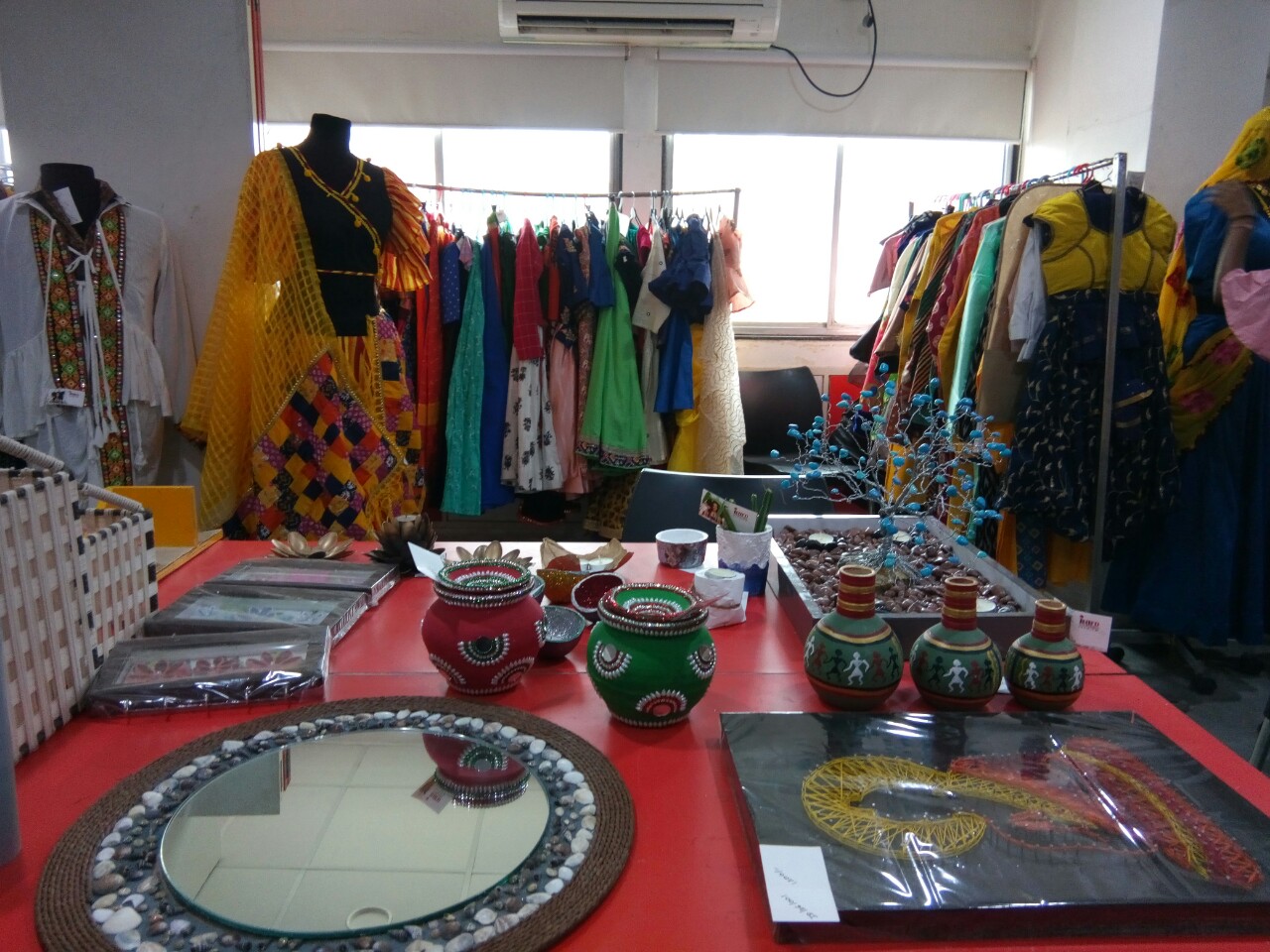
- What does the studio and lab infrastructure look like in person?
Knowing how to choose a fashion design institute comes down to asking these questions consistently across every school you consider, rather than relying on brochures alone.
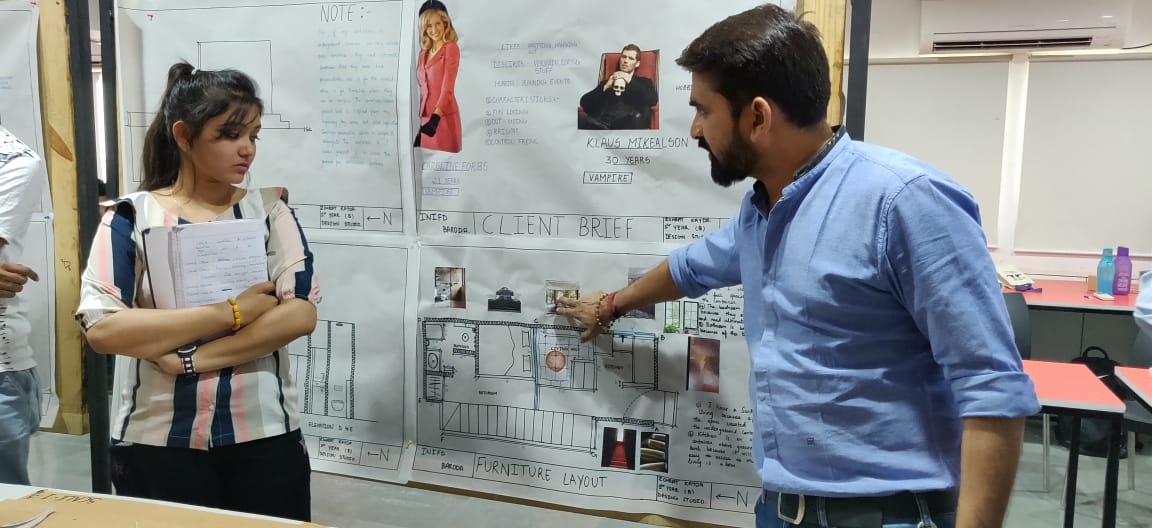
Students who visit the NIF Global Vadodara campus often say the in-person tour and portfolio consultation clarify far more than any website description. Walking through the studios, meeting current faculty, and reviewing sample student work gives you a realistic sense of daily life at the institute before you make a financial or academic commitment.
FAQs
- What qualifications do I need to join a fashion design institute?
Most institutes accept students after 12th grade from any stream, though some diploma or foundation programs also accept candidates after 10th grade with an aptitude test or portfolio review.
- Is a fashion design course after 12th a good career choice?
Yes, a fashion design course after 12th opens doors to apparel design, textile design, styling, merchandising, and entrepreneurship, giving students a wide range of professional paths to choose from.
- How long does a fashion design course usually take?
Diploma programs typically run one to two years, while degree programs run three to four years, depending on the specialization and institute structure.
- Do fashion design institutes help with job placements?
Reputable institutes maintain placement cells that connect students with design houses, retail brands, and export companies, along with internship opportunities during the course.
- Can I start my own fashion label after graduating?
Many graduates launch independent labels after building technical skills, industry contacts, and a strong portfolio during their institute years.