Two Year Fashion Design Program: A Complete Guide to Building a Career in Fashion
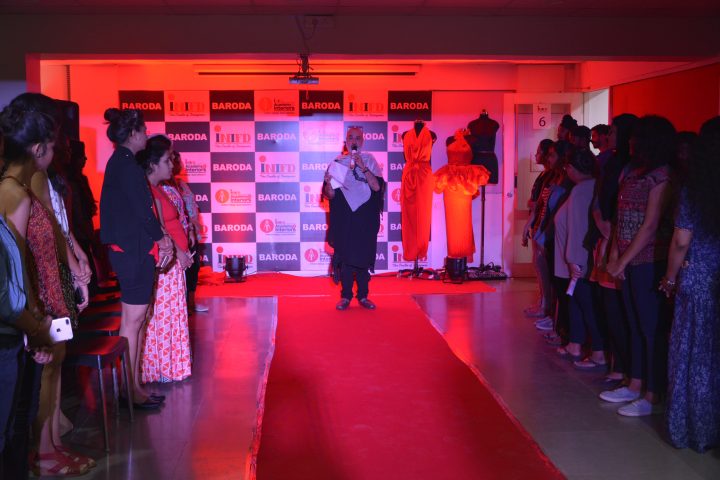
Fashion is no longer just about stitching clothes together; it is a career that blends creativity, business sense, and technical skill. Students who want to enter this industry quickly often choose a two year fashion design program instead of a longer degree, and this choice is helping them save time while still gaining strong industry exposure. Institutes like NIF Vadodara design their curriculum around real design studios, live projects, and portfolio-building exercises so students step out job-ready. This guide breaks down everything you need to know before enrolling in a two year fashion design program.
Key Takeaways
- A two year fashion design program offers a faster route into the fashion industry compared to a 3-4 year degree.
- Students can join a fashion designing course after 12th without needing a separate foundation year.
- A 2 year fashion designing course covers pattern making, draping, garment construction, textiles, and design software.
- A fashion design diploma program focuses on practical, job-ready skills rather than heavy theory.
- A well-structured fashion design training program builds a strong portfolio, which matters more to recruiters than just the certificate.
- Career paths after completion include fashion designer, stylist, merchandiser, and entrepreneur.
Choosing a two year fashion design program allows students to enter the workforce early, build practical experience, and still leave room to specialize further if they want to pursue advanced studies later.
What is a Two Year Fashion Design Program?
A two year fashion design program is a diploma-level course that trains students in the core skills needed to design, construct, and present clothing collections. Unlike a four-year bachelor’s degree, this program condenses learning into two focused years, covering essential subjects such as fashion illustration, garment construction, textile science, pattern making, and design software like CorelDRAW and Adobe Illustrator.
The course structure usually splits into four semesters. The first year builds foundational skills — sketching, fabric knowledge, and basic sewing techniques. The second year shifts toward specialization, portfolio development, and often includes an industry internship. Students graduate with hands-on experience rather than just classroom knowledge, which is exactly what hiring managers look for in entry-level designers.
Fashion Designing Course After 12th: Where Do You Start?
Most students explore this path right after finishing school. A fashion designing course after 12th does not require a specific stream — students from commerce, science, or arts backgrounds can all apply, since the program starts from the basics and builds up gradually.
Admission typically involves a portfolio review, an aptitude test, or a personal interview, depending on the institute. Since a two year fashion design program is shorter than a full degree, students can complete their training and start working or interning by the time their peers are still finishing their third year of a traditional degree. This makes it an attractive option for students who know early on that they want a creative, hands-on career rather than a longer academic route.
Inside a 2 Year Fashion Designing Course: What You Will Actually Learn
A 2 year fashion designing course is built around practical skill-building rather than theory-heavy lectures. Here is what the typical curriculum covers:
Semester 1-2 (Year 1):
- Basics of fashion illustration and sketching
- Introduction to textiles and fabric behavior
- Pattern making and garment construction fundamentals
- Colour theory and design elements
- Sewing machine operations and hand embroidery techniques
Semester 3-4 (Year 2):
- Advanced draping and tailoring
- Computer-aided design (CAD) for fashion
- Fashion marketing, merchandising, and brand building
- Collection development and portfolio creation
- Industry internship or live project work
This structure ensures that by graduation, students are not just familiar with theory — they have already designed, stitched, and presented their own collections.
Fashion Design Diploma Program vs. a Degree Course
A common question students ask is whether a fashion design diploma program holds the same value as a full degree. The honest answer depends on career goals.
A diploma program focuses heavily on applied skills and gets students into the workforce faster. A degree program, on the other hand, spends more time on theoretical subjects, research, and broader academic requirements. For students who want to start designing, freelancing, or working in a studio quickly, a two year fashion design program under a diploma structure often makes more practical sense. Many diploma holders later choose to pursue advanced certifications or specialize in areas like sustainable fashion, luxury retail, or costume design once they have real work experience behind them.
Skills You Gain From a Fashion Design Training Program
A strong fashion design training program develops both technical and creative abilities. Students typically walk away with:
- Confidence in sketching and translating ideas onto paper
- Hands-on garment construction and tailoring skills
- Working knowledge of fashion software and CAD tools
- Understanding of fabric sourcing, costing, and production timelines
- Presentation and portfolio-building skills for interviews and client pitches
- Basic business knowledge for those interested in starting their own label
These skills matter because the fashion industry values what a candidate can actually create, not just what certificate they hold.
Is a Two Year Fashion Design Program Worth It?
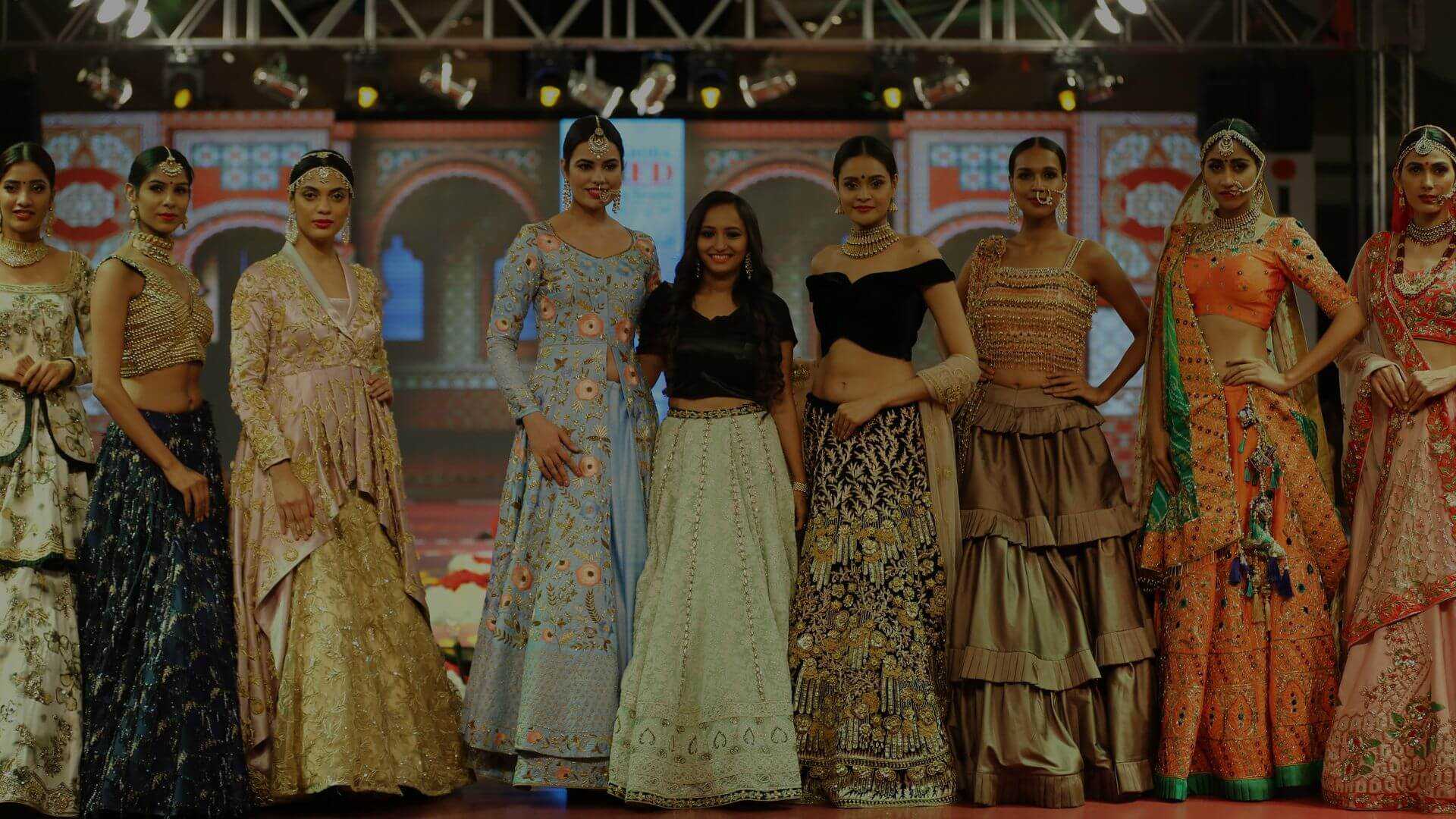
This is the question every prospective student asks before enrolling. A two year fashion design program is worth it for students who want to enter the industry quickly, build a strong portfolio, and gain practical exposure without committing to a longer academic timeline. It suits people who already have a clear interest in design and want to start applying their skills sooner rather than later.
It may be less suitable for students who want deep academic research exposure or plan to teach fashion theory at a university level, where a full degree might align better with long-term goals. For most aspiring designers, stylists, and merchandisers, though, a two year fashion design program strikes the right balance between speed, cost, and skill development.
Students researching institutes for this path often compare curriculum depth, industry tie-ups, and internship opportunities. Programs at places like NIF Vadodara are structured to give students exposure to live projects, guest sessions from industry professionals, and portfolio reviews that mirror real hiring processes — details worth checking before shortlisting any institute for a two year fashion design program.
If you are exploring where to begin your fashion journey, take time to compare course structures, faculty experience, and placement support across institutes so your two years are spent building skills that actually translate into a career.
FAQs
-
What is the eligibility for a two year fashion design program?
Most institutes require students to have completed 12th grade from any stream. Some programs may also ask for a portfolio or conduct an entrance interview.
-
Can I pursue a 2 year fashion designing course without an art background?
Yes. These courses are designed to teach sketching, design theory, and technical skills from the ground up, so a prior art background is helpful but not mandatory.
-
What is the difference between a fashion design diploma program and a certificate course?
A diploma program is more comprehensive, spanning one to two years with in-depth technical and creative training, while certificate courses are shorter and cover specific skills like draping or CAD only.
-
What career options are available after a fashion design training program?
Graduates can work as fashion designers, stylists, merchandisers, textile designers, or start their own independent labels.
-
Is a two year fashion design program better than a four-year degree?
It depends on individual goals. A two year program gets students into the workforce faster with strong practical skills, while a four-year degree offers broader academic depth for those interested in research or advanced specialization.